
Imagine you are trying to finish a report at work while a colleague repeatedly asks whether it is done, checks your progress, and reminds you about the deadline. After several interruptions, you might say, “Can you please get off my back? I know what I need to do.” The expression immediately communicates that someone’s repeated pressure, criticism, or unwanted attention has become frustrating.
“Get off my back” means stop bothering, criticizing, pressuring, or constantly checking on someone. It is an informal English idiom that is common in everyday conversations, workplace discussions, movies, social media, and digital messages. However, the phrase can sound irritated or confrontational, so choosing an alternative can make communication more respectful and appropriate for the situation.
Understanding alternatives matters because the same basic message can be delivered in very different ways. A manager, student, friend, customer, or colleague may need to set a boundary without sounding hostile. The right expression helps you communicate the same underlying request while adjusting the level of firmness, politeness, urgency, or emotional intensity.
What Does “Get Off My Back” Mean?
“Get off my back” means asking someone to stop repeatedly criticizing, pressuring, monitoring, or bothering you about something. It is usually used when a person feels that another individual is giving unwanted attention or making repeated demands. The expression commonly appears in arguments, workplace situations, family conversations, friendships, and informal digital communication.
Origin & History of “Get Off My Back”
The exact origin of “get off my back” is not completely established, but the expression is generally understood as developing from the literal idea of someone being physically on another person’s back and creating a burden or restricting movement.
The figurative use became associated with unwanted pressure or persistent interference. In this sense, asking someone to “get off” your back means asking them to stop imposing themselves on you.
The expression became especially recognizable in modern American English during the twentieth century. Its informal character helped it spread through everyday speech, entertainment, popular culture, and eventually digital communication.
Today, the phrase does not normally refer to a literal physical situation. Instead, it describes persistent criticism, supervision, demands, reminders, or interference. Its meaning has remained relatively stable, although its application has expanded from spoken conversations to emails, workplace messaging, social media, and online discussions.
Synonyms & Alternatives by Tone
Professional & Neutral Alternatives
- Stop pressuring me
- Please give me some space
- I can handle it
- Please allow me to work on this
- I need some time to deal with this
- Please give me a little more time
Polite & Supportive Alternatives
- Please give me some space
- I would appreciate some time
- Please let me handle this
- I understand your concern
- I have it under control
- Please give me a chance to work through it
Encouraging & Reassuring
- I’ve got this
- I can take care of it
- No need to worry
- I’m handling it
- I’ll take it from here
- I know what needs to be done
Casual, Playful & Idiomatic Alternatives
- Leave me alone
- Give me a break
- Back off
- Stop bugging me
- Stop nagging me
- Stop hounding me
- Ease up
- Let it go
- Give me some breathing room
When Should You Use “Get Off My Back”?
The expression is most appropriate when you want to communicate firmly and informally that someone’s repeated attention or pressure is unwanted.
Professional Settings
Use it cautiously in workplaces. It may be acceptable between colleagues who have an informal relationship, but it can sound disrespectful when directed toward a manager, customer, client, senior colleague, or unfamiliar professional.
For example, instead of saying:
“Get off my back. I’m working on it.”
A more professional version would be:
“I’m working on it and will update you as soon as I have something to share.”
This preserves the boundary without creating unnecessary tension.
Casual Conversations
The phrase works naturally among friends, siblings, partners, or people who already understand each other’s communication style.
For example:
“I said I’d clean the kitchen. Get off my back!”
Depending on the relationship and delivery, this can sound annoyed but familiar rather than seriously hostile.
Writing, Presentations, and Digital Communication
The expression can work in dialogue, informal blogs, social posts, fictional writing, and conversational content. It is less suitable for formal reports, academic writing, legal documents, customer-service messages, and official correspondence.
When It Is Especially Effective
It is effective when the main issue is repeated pressure or interference, rather than a single request. The phrase communicates that the speaker feels someone is repeatedly focusing on the same issue.
When Should You Avoid “Get Off My Back”?
Avoid the phrase when the situation requires diplomacy, emotional sensitivity, or formal professionalism.
Overly Formal Situations
Business emails, official letters, academic communication, interviews, and formal presentations generally call for more neutral wording.
Legal, Academic, or Sensitive Contexts
In sensitive situations, the phrase can make the speaker appear irritated or dismissive. A precise explanation of the problem is usually clearer.
Situations Where Nuance May Be Lost
Text messages lack facial expressions and vocal tone. A phrase that sounds playful when spoken may appear aggressive in writing.
If someone sends repeated reminders, saying:
“Get off my back.”
may sound considerably harsher than:
“I understand the concern. I’ll let you know when I have an update.”
Is “Get Off My Back” Professional, Polite, or Casual?
“Get off my back” is primarily casual and informal. It communicates a clear boundary, but it often carries emotional irritation.
Its perceived tone depends heavily on context. Between close friends, it can be teasing or mildly annoyed. Between a supervisor and employee, however, it may sound disrespectful. In customer communication, it can easily be interpreted as hostile.
The phrase is therefore best understood as direct rather than polite. It is not inherently insulting, but it can create defensiveness because it tells another person to stop their behavior in a very straightforward way.
If maintaining cooperation is important, alternatives such as “Please give me some space,” “I have it under control,” or “I’ll update you when I have more information” can communicate the same basic boundary with less emotional force.
Pros and Cons of Using “Get Off My Back”
Advantages
- Clarity: The listener can quickly understand that the repeated pressure is unwanted.
- Efficiency: A short expression communicates frustration without a long explanation.
- Accessibility: It is widely understood by native English speakers in informal contexts.
- Strong boundary: It clearly signals that the speaker wants the behavior to stop.
Potential Drawbacks
- Oversimplification: It may not explain exactly what behavior is causing the problem.
- Tone mismatch: It can sound too aggressive in professional or sensitive situations.
- Emotional intensity: The phrase often suggests irritation.
- Repetition: Using the same expression repeatedly can make communication sound unnecessarily confrontational.
Real-Life Examples of “Get Off My Back” by Context
Emails
Informal workplace email:
“I’m still waiting on the figures from accounting. I’ll send the report as soon as I have them, so please get off my back about the deadline.”
This is understandable but fairly confrontational. A professional alternative would be more appropriate for most workplaces.
Meetings
“I understand that the launch is important, but get off my back for a minute and let me finish explaining the problem.”
Here, the phrase expresses frustration caused by repeated interruption or pressure.
Presentations
In a presentation or public discussion, the phrase is generally unsuitable unless the speaker is intentionally using informal language or quoting someone.
Conversations
“Mom, I cleaned my room yesterday. Get off my back about it!”
This can sound natural in a family conversation, particularly when the relationship is informal.
Social Media
“I’ll post the photos when I’m ready. Get off my back 😂”
The emoji changes the perceived tone and can make the statement sound more playful, although the underlying request remains direct.
“Get Off My Back” vs Similar Expressions (Key Differences)
| Phrase | Meaning Difference | Tone Difference | Best Use Scenario |
| Leave me alone | Requests that someone stop interacting or interfering altogether | Direct, potentially strong | When you need distance from someone |
| Give me a break | Asks someone to stop being unreasonable, demanding, or critical | Casual and expressive | Informal conversations |
| Back off | Tells someone to reduce pressure, involvement, or intensity | Firm and confrontational | Situations requiring a strong boundary |
| Stop nagging me | Specifically targets repeated reminders or complaints | Informal and irritated | Family or casual relationships |
| Stop pressuring me | Clearly identifies pressure as the problem | Neutral to firm | Workplace or serious discussions |
| Give me some space | Requests emotional, physical, or conversational distance | Softer and more diplomatic | Personal or sensitive situations |
The main difference is that “get off my back” focuses on persistent pressure, criticism, or unwanted attention, while related expressions can focus on physical distance, emotional space, unreasonable demands, or repeated reminders.
Common Mistakes & Misuse of “Get Off My Back”
Overuse
Using the expression every time someone asks a question can make normal communication sound like harassment. A single reminder does not necessarily justify such a strong response.
Incorrect Context
The phrase is usually inappropriate in formal business correspondence, academic writing, legal documents, and professional customer communication.
Contradictory Usage
Avoid pairing the phrase with wording that sends an opposite signal.
For example:
“Get off my back, but please keep reminding me every hour.”
The two requests conflict.
Cultural Misunderstandings
English learners may interpret the phrase too literally or underestimate its emotional force. In many contexts, it is not simply a neutral request to stop. It can communicate irritation or impatience.
Psychological Reason People Prefer “Get Off My Back”
Cognitive Load Reduction
Short idiomatic expressions allow speakers to communicate a complicated interpersonal message quickly. Instead of explaining that someone has repeatedly reminded, criticized, or monitored them, the speaker can use a familiar expression.
Trust and Authority Signals
Direct language can sometimes signal confidence and certainty. However, whether it builds or damages trust depends on the relationship between the speakers.
Attention Economy
Modern communication often rewards short messages. Texting, workplace chat, and social media encourage people to express boundaries quickly rather than writing lengthy explanations.
Modern Communication Habits
Digital communication has made concise expressions particularly common. A person might write “Give me some space” or “I’ve got this” in a workplace chat instead of composing a long explanation.
The important distinction is that brevity does not automatically equal professionalism. A short phrase can be efficient while still sounding emotionally intense.
US vs UK Usage of “Get Off My Back”
“Get off my back” is understood in both American and British English. It is informal and does not belong exclusively to either variety.
In American English, it is familiar in everyday speech and popular culture and can be used to describe persistent criticism, monitoring, or pressure.
British English speakers also understand and use the expression, although alternatives such as “leave me alone,” “stop hassling me,” “give me a break,” or “stop going on at me” may occur depending on the speaker and situation.
The difference is therefore less about meaning and more about individual preference, regional vocabulary, relationship, and context.
“Get Off My Back” in Digital & Modern Communication
Emails
Because email lacks vocal tone, the phrase can appear harsher than intended. Professional writers often replace it with a specific status update.
Slack / WhatsApp
The expression is more natural in informal chats, especially between people who already have an established relationship.
Social Media
It can be used humorously, especially when combined with emojis, GIFs, or conversational punctuation. However, public posts can be interpreted differently by people who do not know the writer personally.
AI-Generated Summaries
When an AI system explains the phrase, the most useful interpretation is usually “stop bothering, pressuring, criticizing, or repeatedly checking on me.” However, context still determines whether the phrase is playful, annoyed, defensive, or genuinely confrontational.
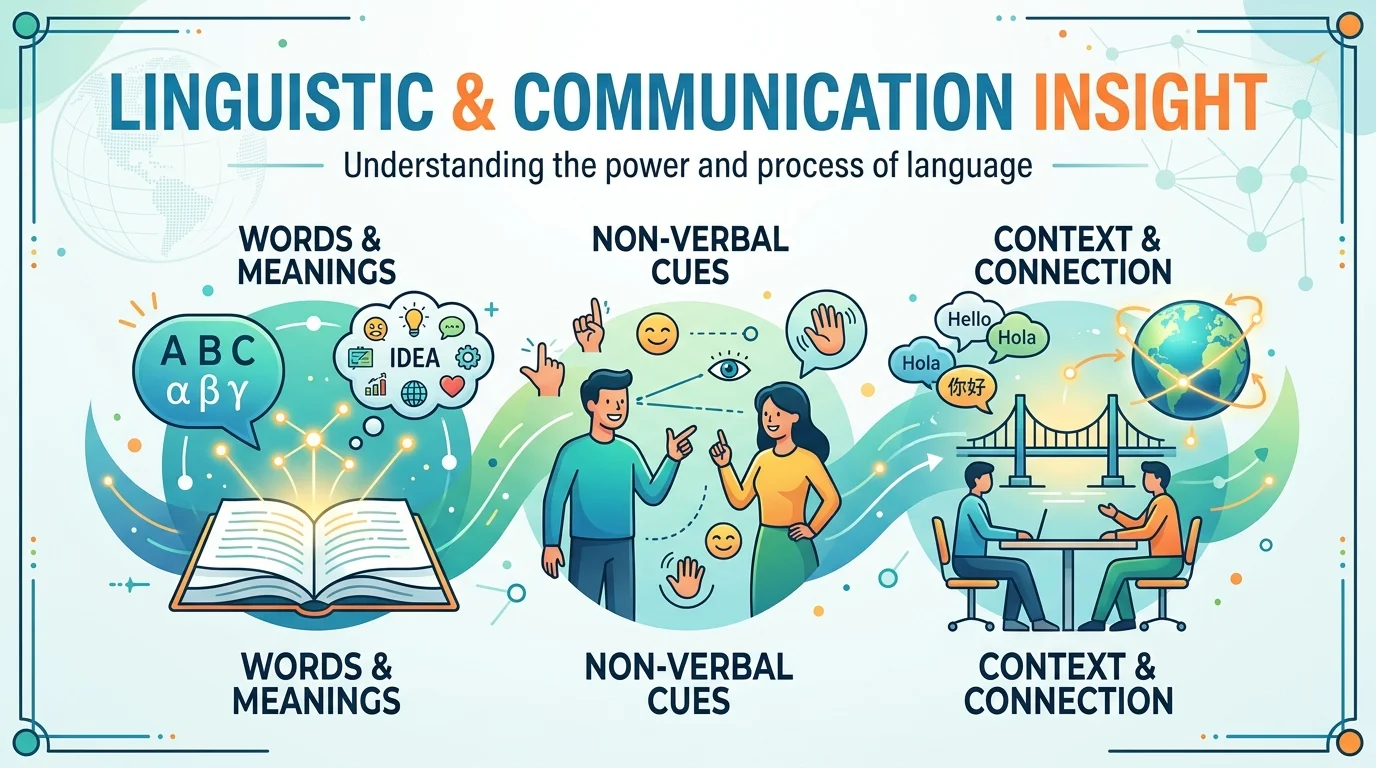
Linguistic & Communication Insight
Emotional Weight & Subtext
Native speakers generally hear more than the literal words. “Get off my back” often carries a signal of frustration. The speaker is not merely providing information; they are setting a boundary and indicating that another person’s behavior has become unwelcome.
The emotional strength can range from mild annoyance to significant irritation.
Direct vs Indirect Phrasing
The phrase is highly direct. It places responsibility on the other person to change their behavior.
Compare:
“Get off my back. I’m handling it.”
with:
“I’m handling it, and I’ll let you know when I need help.”
The second version communicates the same basic boundary indirectly. It emphasizes cooperation rather than confrontation.
Professional Communication Perspective
In professional communication, the issue is often not whether the listener understands the phrase. They probably will. The concern is how the listener interprets the speaker’s attitude.
A manager, client, or colleague may perceive the expression as defensive or disrespectful. A friend may interpret the same words as ordinary informal conversation.
Pragmatic Reasons for Alternatives
Experienced communicators often choose alternatives because they want to protect the relationship while still setting a boundary. “I have it under control” reassures the other person. “Please give me some time” identifies a need without assigning blame. “I’ll update you shortly” provides a clear next step.
These alternatives can reduce defensiveness while preserving authority.
Social Signaling
Word choice affects how people interpret confidence, cooperation, openness, and irritation. Direct expressions can attract attention quickly, but softer expressions can encourage continued cooperation.
Tone & Context Guidance
Before using the phrase, consider three questions:
- Who am I speaking to?
- How serious is the situation?
- Do I want distance, cooperation, or simply less pressure?
If the goal is cooperation, a softer alternative is often more suitable. If the goal is an unmistakable informal boundary, the original phrase may be appropriate.
Meaning, Usage & Examples for Each Alternative
Stop Pressuring Me
Meaning: This expression directly asks someone to stop creating pressure through demands, deadlines, repeated requests, or expectations.
Why This Phrase Works: It identifies the specific problem—pressure—rather than broadly telling someone to stop bothering you.
Real-World Usage Insight: This is one of the more useful alternatives when you need to sound firm without relying on an idiom.
Best Use: Workplace conversations, serious discussions, negotiations, and personal situations involving repeated demands.
Avoid When: The other person is simply offering reasonable support or asking one necessary question.
Tone: Firm, direct, neutral to slightly emotional.
US vs UK Usage: Widely understood in both American and British English.
Example (Email / Message / Meeting): “I know the deadline matters, but please stop pressuring me while I’m waiting for the client’s response.”
Give Me Some Space
Meaning: This phrase asks someone to reduce their involvement, questioning, physical presence, or emotional pressure.
Why This Phrase Works: It is considerably softer than a confrontational command and allows the speaker to establish a boundary.
Real-World Usage Insight: It works especially well when the speaker does not want to explain every detail of the problem.
Best Use: Personal conversations, stressful situations, relationships, and informal workplace discussions.
Avoid When: You need to communicate a precise professional deadline or procedural request.
Tone: Polite, calm, and boundary-setting.
US vs UK Usage: Natural and widely understood in both varieties of English.
Example (Email / Message / Meeting): “I appreciate you checking in, but I need some space to finish this without interruptions.”
Leave Me Alone
Meaning: This phrase asks someone to stop interacting with or bothering the speaker.
Why This Phrase Works: Its meaning is immediate and unmistakable.
Real-World Usage Insight: It can describe anything from mild annoyance to a serious request for distance, so delivery matters greatly.
Best Use: Personal conversations where someone genuinely needs distance.
Avoid When: Speaking to customers, senior colleagues, interviewers, or professional contacts.
Tone: Direct and potentially harsh.
US vs UK Usage: Common and easily understood in both American and British English.
Example (Email / Message / Meeting): “I’m dealing with a lot right now. Please leave me alone for a little while so I can clear my head.”
Give Me a Break
Meaning: This expression asks someone to stop criticizing, demanding, questioning, or treating a situation too seriously.
Why This Phrase Works: It is short and conversational while communicating frustration.
Real-World Usage Insight: Its meaning depends heavily on context. It can mean “stop bothering me” or “be reasonable.”
Best Use: Informal conversations with friends, relatives, or familiar colleagues.
Avoid When: You need a formal or carefully neutral response.
Tone: Casual, expressive, sometimes irritated.
US vs UK Usage: Common in both varieties, particularly in informal speech.
Example (Email / Message / Meeting): “Give me a break—I’ve been working on this since seven this morning.”
Back Off
Meaning: “Back off” asks someone to reduce pressure, involvement, criticism, or interference.
Why This Phrase Works: It establishes a strong boundary with very few words.
Real-World Usage Insight: Because it is highly direct, it can quickly escalate a tense conversation if the listener already feels challenged.
Best Use: Situations where a clear and immediate boundary is necessary.
Avoid When: Maintaining a warm professional relationship is the primary goal.
Tone: Strong, firm, confrontational.
US vs UK Usage: Familiar and widely understood in both American and British English.
Example (Email / Message / Meeting): “I understand you want an answer, but back off for a moment and let me finish reviewing the numbers.”
Stop Nagging Me
Meaning: This phrase asks someone to stop repeatedly reminding, complaining, or urging the speaker to do something.
Why This Phrase Works: It specifically addresses repeated reminders rather than general interference.
Real-World Usage Insight: The word “nagging” itself can sound accusatory, so it is best reserved for informal relationships.
Best Use: Family conversations, friendships, and familiar personal situations.
Avoid When: Speaking to a manager, client, customer, or unfamiliar professional.
Tone: Casual, annoyed, and sometimes playful.
US vs UK Usage: Understood in both varieties of English.
Example (Email / Message / Meeting): “I said I’ll call the repair company tonight, so stop nagging me about it.”
Stop Hounding Me
Meaning: This expression asks someone to stop repeatedly pursuing, questioning, or pressuring the speaker.
Why This Phrase Works: It strongly communicates that the attention has become excessive or persistent.
Real-World Usage Insight: It is particularly useful when someone keeps returning to the same request despite already receiving an answer.
Best Use: Informal conversations and strongly worded personal or workplace communication.
Avoid When: A calm, diplomatic tone is essential.
Tone: Firm, irritated, informal.
US vs UK Usage: Used in both American and British English, though individual frequency varies.
Example (Email / Message / Meeting): “You’ve already asked twice today. Please stop hounding me for an update.”
Ease Up
Meaning: “Ease up” asks someone to become less intense, demanding, critical, or forceful.
Why This Phrase Works: It focuses on reducing intensity rather than completely ending communication.
Real-World Usage Insight: This makes it useful when the speaker still wants to cooperate but needs the other person to lower the pressure.
Best Use: Informal professional conversations, sports, friendships, and family discussions.
Avoid When: You need a precise written instruction.
Tone: Casual, firm, but less aggressive than “back off.”
US vs UK Usage: Familiar in both American and British English.
Example (Email / Message / Meeting): “Ease up a little. We’re making progress, and another reminder won’t make the approval arrive faster.”
Conclusion
“Get off my back” is a common informal English idiom used to tell someone to stop pressuring, criticizing, bothering, or repeatedly checking on you. Its meaning is easy to understand, but its tone can range from mildly irritated to strongly confrontational depending on the relationship and situation. For casual conversations, it can communicate frustration quickly and naturally.
In professional, academic, or sensitive settings, however, softer alternatives such as “please give me some space,” “I’ve got this,” “please let me handle it,” or “I need some time” may communicate the same boundary more respectfully. Understanding these differences helps speakers and writers choose language that matches their audience, purpose, and level of formality. Whether you are writing an email, participating in a meeting, chatting with friends, or creating online content, choosing the right expression can improve clarity while reducing unnecessary tension.
FAQs
What does “get off my back” mean?
“Get off my back” means asking someone to stop bothering, pressuring, criticizing, or repeatedly checking on you. It is an informal expression that often communicates frustration. The phrase can be used among friends, family members, or familiar colleagues, but it may sound too direct or irritated in formal professional communication.
Is “get off my back” rude?
“Get off my back” can sound rude or confrontational depending on the context and delivery. It is not necessarily an insult, but it clearly communicates annoyance. Among close friends, it may be playful or casual. In professional settings, alternatives such as “Please give me some space” or “I have it under control” are usually safer.
Is “get off my back” professional?
“Get off my back” is generally considered informal rather than professional. It may be understood in workplace conversations, especially between familiar colleagues, but it can sound disrespectful when directed toward a manager, client, customer, or senior professional. More neutral alternatives include “Please give me some time,” “I’m handling it,” or “I’ll provide an update soon.”
What is a polite way to say “get off my back”?
Polite alternatives include “Please give me some space,” “I have it under control,” “Please let me handle this,” “I need some time,” and “I’ll update you when I have more information.” These expressions communicate the need for less pressure without directly accusing the other person of being annoying or intrusive.
What is another word for “get off my back”?
Depending on the context, alternatives include “back off,” “leave me alone,” “stop pressuring me,” “stop nagging me,” “give me some space,” “ease up,” and “give me a break.” These expressions are not exact substitutes in every situation because each has a slightly different level of directness, formality, and emotional intensity.
Can I use “get off my back” at work?
You can use “get off my back” at work in very informal relationships, but caution is recommended. The expression can make frustration obvious and may sound confrontational. For professional communication, phrases such as “I’m working on it,” “I’ll update you shortly,” or “Please give me a little more time” usually maintain a more cooperative tone.
Is “get off my back” an idiom?
Yes. “Get off my back” is an English idiom because its intended meaning is not normally interpreted literally. It refers to asking someone to stop putting pressure on, criticizing, monitoring, or bothering the speaker. The expression is primarily informal and is widely understood in everyday American and British English.
What is the difference between “get off my back” and “leave me alone”?
“Get off my back” usually focuses on stopping repeated pressure, criticism, reminders, or interference. “Leave me alone” is broader and can simply mean that the speaker does not want interaction or company. Both can sound strong, but “leave me alone” may communicate a more general or immediate desire for distance.
Can “get off my back” be used jokingly?
Yes. Among close friends, family members, or people with an established informal relationship, “get off my back” can sometimes be used jokingly. Facial expressions, voice, emojis, and shared context can make the phrase sound playful rather than hostile. In text, however, the intended humor may be less obvious to the reader.
What are the best alternatives to “get off my back” in an email?
For professional emails, useful alternatives include “Please give me a little more time,” “I’m working on it,” “I’ll provide an update shortly,” “Please let me handle this,” and “I have it under control.” These phrases communicate progress or establish a boundary while avoiding the irritated tone that “get off my back” can create.

