
Picture the end of a rough project meeting, the kind of moment people describe with the phrase “throw under the bus”. The deadline was missed, the client is unhappy, and someone calmly says, “That part was Imran’s task.” Nobody lied, yet the room suddenly feels colder. That quiet shift of blame is exactly what the idiom captures.
It is a vivid phrase, but it is also a loaded one. It tells listeners that blame was moved, that the move was unfair, and that the person who made it did so to protect themselves. Sometimes that is exactly what you mean. Other times you need something softer, sharper, or more formal, and that is where the 20 alternatives below help. Each comes with its meaning, its tone, and a ready-to-use example, so you can match your wording to the situation.
What Does “Throw Under the Bus” Mean?
The idiom describes blaming, betraying, or sacrificing another person so you can avoid criticism or protect your own position. The other person absorbs the damage, and you walk away clean. You will hear it in offices, friend groups, sports teams, politics, and comment sections.
Two ingredients separate it from plain blame: self-interest and unfairness. If a manager honestly reports who handled a task, that is accountability. If the same manager names an employee to dodge a bad review, that is throwing someone under the bus.
Where Did the Idiom Come From?
The first use is not firmly documented, so be wary of any neat origin story. What is clear is that the expression became common in American English in the later decades of the twentieth century and spread through political and business reporting. Its image was easy to grasp: one person is pushed into harm’s way so another stays safe.
Today it travels far beyond newsrooms and boardrooms. British speakers use it just as naturally in casual talk, and the meaning is the same on both sides of the Atlantic.
When the Idiom Works, and When It Doesn’t
This is an informal, emotionally charged phrase. It fits chats, opinion pieces, social posts, and meetings among people who know each other well. A manager might say, “I don’t want anyone blaming a colleague here. Let’s look at what happened and fix it together.”
It is a poor fit for legal documents, formal investigations, HR records, and academic writing. The idiom implies intent, and if you cannot prove intent, you may be judging someone unfairly. Calling a plain explanation of who handled what a betrayal can also escalate a disagreement that was never hostile.
Neutral and Professional Alternatives
These five work in emails, reports, and meetings where you want to describe behavior without accusing anyone of betrayal.
1. Shift the Blame
This means moving responsibility from yourself, or from one person, onto someone else. It is the closest neutral match because it describes the transfer rather than judging the motive. Tone: neutral, mildly critical.
Example: “I don’t want to shift the blame, but several people signed off on this, so let’s review the whole process.”
2. Shift Responsibility
A more formal cousin of the phrase above, ideal for business writing. It points at accountability moving around without suggesting anyone acted out of spite. Tone: professional, measured.
Example: “The new checklist stops responsibility from being shifted between teams whenever something breaks.”
3. Pass the Blame
This one is a little more everyday and works well when several people are dodging fault rather than one person targeting another. Tone: neutral to critical.
Example: “We’re spending more time passing the blame than preventing the next delay.”
4. Assign Blame
Concise, objective, and safe when the facts are still being established. It names who is held responsible without hinting at disloyalty. Tone: formal, neutral.
Example: “The aim of this review isn’t to assign blame; it’s to understand why we missed the deadline.”
5. Lay the Blame on Someone
Clear and recognizable, with less drama than a metaphor. It suits articles and explanations where you describe criticism without claiming anyone was wronged. Tone: neutral to critical.
Example: “Rather than laying the blame on one employee, the company reviewed the decisions behind the error.”
Casual and Idiomatic Alternatives
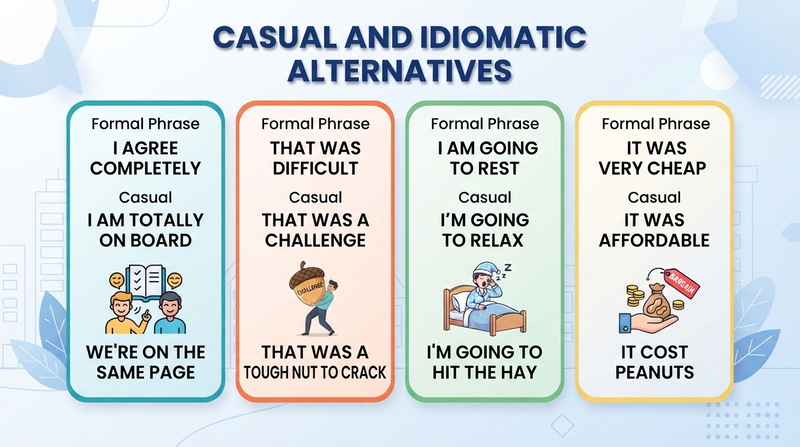
These are perfect for conversation, storytelling, blogs, and social posts, where a bit of color helps.
6. Point the Finger
To accuse or blame someone, often when the real priority should be solving the problem. Tone: casual, direct, critical.
Example: “There’s no use pointing the finger after a bad launch. Let’s work out what actually happened.”
7. Pin It on Someone
Assigning blame to a person, usually with a hint that it may not be fair. Native speakers reach for it when they suspect someone wants a convenient culprit. Tone: casual, slightly accusatory.
Example: “They tried to pin the missing files on me, even though the whole team had access to the folder.”
8. Make Someone the Fall Guy
Choosing a person to take the blame or punishment for a group failure. It is strongly associated with American English but widely understood elsewhere. Tone: casual, critical.
Example: “The project had five separate problems, yet the junior coordinator ended up as the fall guy.”
9. Scapegoat Someone
Unfairly making one person carry the blame for a problem that involved many. It is stronger and more serious than most phrases on this list, so use it when disproportionate blame is the real issue. Tone: strong, critical.
Example: “If we blame the entire delay on one coordinator, we’re scapegoating her for a problem three departments created.”
10. Pass the Buck
Handing a problem or duty to someone else to avoid dealing with it. The focus is on dodging responsibility rather than hurting a particular person, so it is a looser match, but it often appears in the same conversations. Tone: informal, mildly critical.
Example: “Every time the invoice error comes up, finance passes the buck to sales.”
Betrayal and Abandonment Alternatives
When the heart of the story is broken loyalty, or being left to cope alone, these phrases capture it better than a blame phrase can.
11. Sell Someone Out
Betraying another person for your own benefit, often by revealing information or breaking an agreement. Tone: strong, emotional, informal.
Example: “We agreed to explain it together, but he sold me out the moment the manager walked in.”
12. Stab Someone in the Back
Secret betrayal by someone you trusted. It adds a sense of deceit that the bus idiom only hints at. Tone: dramatic, emotional.
Example: “She smiled through the planning session, then stabbed him in the back with a private email to the director.”
13. Betray Someone’s Trust
The most serious and least metaphorical option here. It centers the damaged relationship rather than the blame itself, which makes it a good choice for sensitive conversations. Tone: serious, personal.
Example: “I felt you betrayed my trust when our private conversation reached the whole team.”
14. Hang Someone Out to Dry
Leaving a person without support at the very moment they face criticism or consequences. It is about abandonment more than accusation. Tone: informal, critical.
Example: “After promising to back me up, they hung me out to dry in front of the client.”
15. Leave Someone Holding the Bag
Leaving one person with an unwanted problem, cost, or consequence after everyone else has stepped away. Tone: informal, idiomatic.
Example: “I’m happy to handle the follow-up, but I won’t be left holding the bag for decisions I never made.”
16. Throw Someone to the Wolves
Exposing a defenseless person to harsh criticism or danger. It is more dramatic than most alternatives and works best in storytelling or heated commentary. Tone: dramatic, critical.
Example: “Sending the new intern to face the angry client alone felt like throwing her to the wolves.”
17. Leave Someone High and Dry
Abandoning a person with no help, resources, or alternatives. There is less blame in it and more neglect. Tone: informal, sympathetic to the person left behind.
Example: “The supplier pulled out a day before the event and left us high and dry.”
18. Cut Someone Loose
Dropping a person or partner, often quickly, to protect yourself or your organization. Tone: blunt, informal.
Example: “The moment the story hit the press, the company cut him loose.”
Diplomatic Wording for Sensitive Moments
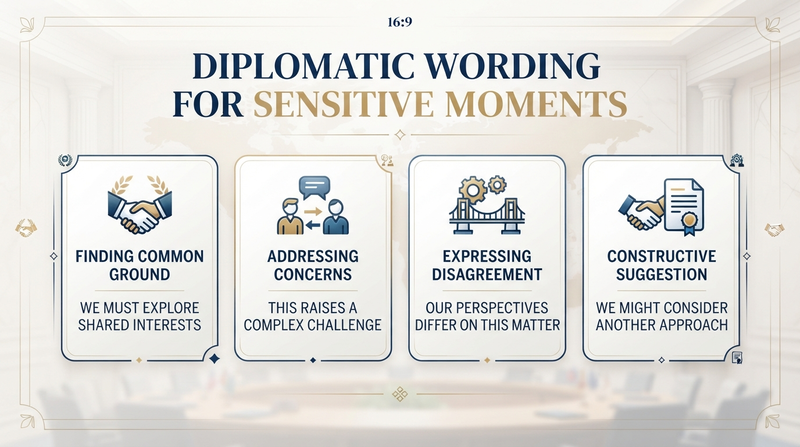
Sometimes you want to raise a concern without starting a fight. These two keep the focus on facts.
19. Distance Yourself From Responsibility
Describes an attempt to separate yourself from a decision, mistake, or outcome. It is analytical rather than emotional, so it works in reports and formal explanations. Tone: professional, neutral.
Example: “The statement appeared to distance the department from responsibility for the late delivery.”
20. Put Someone in a Difficult Position
Creating circumstances where another person must deal with pressure, risk, or an uncomfortable choice. It is considerably softer than the idiom it replaces and assumes no bad intent. Tone: polite, diplomatic.
Example: “I don’t want to put you in a difficult position, so let’s agree on the reply before we contact the client.”
Scapegoat, Sell Out, or Throw Under the Bus: What’s the Difference?
Scapegoating is about unfairness: one person is made to carry a problem that belongs to many. Selling someone out is about loyalty: you give them up, often by revealing something. The bus idiom sits between the two, mixing blame and betrayal with a strong whiff of self-interest. Shifting the blame is the mildest of the group, because it describes responsibility moving without claiming bad motives.
How to Choose the Right Alternative
- Need to stay neutral, or the text may become an official record? Go with assign blame or shift responsibility.
- Describing unfair group blame? Scapegoat someone or fall guy fits best.
- Telling a story about broken loyalty? Sell someone out, stab someone in the back, or betray someone’s trust.
- Was someone left to cope alone? Hang out to dry, leave high and dry, or leave holding the bag.
- Raising a concern without accusing anyone? Try “Could we clarify who handled each step?” or put someone in a difficult position.
One habit helps in every case: describe what happened before you judge why. “He told the manager I approved it” is a fact. “He threw me under the bus” is your interpretation of his motives.
Common Mistakes to Avoid
- Using it for every disagreement. Two people who see responsibility differently are not necessarily betraying each other.
- Applying it to legitimate accountability. Naming who owned a task is not automatically unfair.
- Putting it in formal records. Precise wording protects you and the person you are describing.
- Flipping the meaning. Saying someone “threw themselves under the bus” is understandable, but for self-sacrifice, “took the fall” or “took one for the team” reads more naturally.
- Forgetting non-native readers. Learners may understand every word and still picture an actual bus.
Opposites: How to Stand by Someone Instead

If you want to describe the reverse of this behavior, try “take responsibility,” “own the mistake,” “have someone’s back,” “stand by a colleague,” or “share the credit and the blame.” For example: “When the report came back wrong, she owned the mistake and made sure the team knew nobody else was at fault.”
Conclusion
In everyday English, the idiom “throw under the bus” is a quick, vivid way to describe blame, betrayal, or sacrifice carried out for self-protection, and that vividness is both its strength and its risk. It tells your audience how to feel about the person involved, which is useful in a candid chat and unhelpful in an official report.
Use the neutral options, such as assign blame or shift responsibility, when facts are uncertain, or the words may be kept on record. Reach for casual phrases like point the finger or pin it on someone when you are telling a story. Choose sell someone out, stab someone in the back, or hang someone out to dry when loyalty is the real subject. Whatever you pick, let the audience, the evidence, and the relationship guide you, and keep your description of the facts separate from your judgment of the motive.
FAQs
What does throw under the bus mean?
It means to blame, betray, or sacrifice another person in order to protect yourself from criticism, punishment, or responsibility. The phrase usually suggests that the other person was treated unfairly.
Is throw under the bus formal or informal?
Informal. It is widely understood and fine in conversation, chats, and relaxed emails between colleagues, but formal reports, legal documents, and investigations are better served by phrases like “shift responsibility” or “assign blame.”
What is another way to say throw under the bus?
Common options include shift the blame, scapegoat someone, point the finger, sell someone out, pin it on someone, and hang someone out to dry. Pick based on whether you mean blame, betrayal, or abandonment.
How is it different from scapegoating?
Scapegoating stresses unfairness, meaning one person is blamed for a problem caused by many. The bus idiom stresses self-protection, meaning someone sacrifices another person to stay safe. The two often overlap in real situations.
Can I use it in an email?
Yes, in an informal message to someone you know well. Written words carry no tone of voice, so it can sound harsher than intended. In a sensitive situation, “I felt responsibility was placed on me” is a calmer way to say the same thing.
Is the phrase used in British English?
Yes. British speakers understand and use it, mainly in informal talk, journalism, and workplace conversation. The meaning is the same as in American English.
Is shifting the blame the same thing?
Not quite. Shifting the blame describes responsibility moving from one person to another. The idiom adds betrayal and self-interest on top, so someone can shift blame without necessarily being accused of sacrificing a colleague.
What is the opposite of throwing someone under the bus?
Phrases such as take responsibility, have someone’s back, stand by a colleague, and share responsibility all describe the reverse: protecting others rather than yourself.