
Imagine a coworker who repeatedly warns that they will escalate a minor issue, take serious action, or make a major change, but nothing ever happens. In everyday English, someone might describe that person as “all bark, no bite.” The phrase suggests that a person sounds threatening or forceful but does not usually follow through.
“All Bark, No Bite” is useful because it communicates a fairly specific idea in just a few words. However, it is also informal and can sound dismissive or critical. Choosing an alternative such as “makes strong claims without following through,” “more talk than action,” or “not likely to act on the threat” can make the same idea clearer and more appropriate for professional, academic, or sensitive communication.
This guide explains the meaning, history, tone, practical uses, alternatives, regional usage, and communication nuances of the phrase.
What Does “All Bark, No Bite” Mean?
“All bark, no bite” describes a person who makes strong, aggressive, or threatening statements but does not take meaningful action afterward. It is commonly used for someone whose warnings, criticism, or displays of toughness appear more forceful than their actual behavior. The expression is usually informal and can describe people, organizations, or situations.
Origin & History of “All Bark, No Bite”
The expression comes from the familiar behavior of dogs. A dog may bark loudly when it feels threatened or wants to appear intimidating, while the barking does not necessarily lead to an actual attack. English speakers began applying this contrast between noise and action to people who sound threatening without following through.
The exact first use of the modern idiom is difficult to establish with certainty, but the expression belongs to a broader family of English sayings that compare human behavior with animals. The underlying idea is much older than the exact wording: someone can appear intimidating without actually taking action.
The phrase became established in American and British English as a figurative description of people whose words are stronger than their actions. Today, it is commonly used in conversations about arguments, workplace behavior, negotiations, political rhetoric, business disputes, parenting, and online interactions.
Its meaning has remained relatively stable. What has changed is where people use it. Digital communication has made the expression particularly common when discussing online arguments, public statements, corporate announcements, or people who repeatedly make threats without visible follow-through.
Synonyms & Alternatives by Tone
Professional & Neutral Alternatives
- More talk than action
- Makes strong claims without following through
- Fails to follow through
- Does not act on the threat
- Words are stronger than actions
- Makes statements without taking action
Polite & Supportive Alternatives
- May need more time to act
- Has not followed through yet
- Has expressed concerns without taking further action
- Has been more vocal than active
- Has not acted on those intentions
Encouraging & Reassuring Alternatives
- Still considering the next step
- Has not taken action yet
- Is assessing the situation
- May act when the time is right
- Is being cautious before moving forward
Casual, Playful & Idiomatic Alternatives
- More talk than action
- All talk
- Big talk, little action
- Full of hot air
- Talks a big game
- Lots of noise, little action
When Should You Use “All Bark, No Bite”?
Professional Settings
Use the phrase carefully in informal workplace conversations, particularly when speaking with colleagues who already understand the context. It can describe a manager, customer, competitor, or stakeholder who repeatedly makes strong statements without taking corresponding action.
For formal documentation, a neutral description is usually clearer. Instead of writing, “The client is all bark, no bite,” consider explaining the observable behavior: “The client has repeatedly threatened to cancel the contract but has not taken steps to do so.”
Casual Conversations
The phrase works naturally among friends, family members, and acquaintances. It is especially common when discussing someone who frequently threatens consequences but rarely follows through.
Writing, Presentations, and Digital Communication
It can work in blogs, opinion-oriented writing, social posts, informal presentations, and conversational content. In professional reports or academic writing, a more precise expression is generally preferable.
When It Is Especially Effective
The phrase is most effective when you want to communicate the contrast between strong language and limited action quickly and naturally.
When Should You Avoid “All Bark, No Bite”?
Avoid the expression when precision is more important than conversational impact.
- Overly formal situations: Business reports, legal documents, and official correspondence usually benefit from direct wording.
- Legal contexts: The phrase may oversimplify a person’s intentions or actions.
- Academic writing: A precise description of observable behavior is generally stronger.
- Sensitive situations: Calling someone “all bark, no bite” may sound mocking or dismissive.
- Uncertain situations: Someone may not have acted yet because circumstances prevented action.
- Cross-cultural communication: An idiom may not be immediately understood by every reader.
Is “All Bark, No Bite” Professional, Polite, or Casual?
“All bark, no bite” is primarily casual and idiomatic. It is understandable to many native English speakers, but it can carry a judgmental undertone.
The phrase suggests that someone’s behavior lacks the seriousness implied by their words. Depending on context, it may sound humorous, dismissive, skeptical, or critical.
In workplace communication, the phrase can be acceptable in a private conversation between colleagues but may be inappropriate in a formal email or report. Saying “There has been strong language but limited follow-through” communicates a similar observation with less emotional weight.
Pros and Cons of Using “All Bark, No Bite”
Advantages
- Clarity: It quickly communicates the contrast between words and actions.
- Efficiency: A short idiom can replace a longer explanation.
- Accessibility: Many English speakers understand the basic meaning immediately.
- Memorability: The dog-related imagery makes the expression easy to remember.
Potential Drawbacks
- Oversimplification: It can make a complicated situation sound straightforward.
- Tone mismatch: It may sound disrespectful in professional or sensitive settings.
- Repetition: Frequent use can make writing feel predictable.
- Assumption of intent: It can imply that someone deliberately makes empty threats.
- Cultural limitations: Some ESL readers may understand the individual words but miss the figurative meaning.
Real-Life Examples of “All Bark, No Bite” by Context
Emails
An informal internal email might say:
“He has threatened to reopen the issue several times, but so far he’s been all bark, no bite.”
For a formal client-facing email, a better choice would be:
“There have been several strong objections, but no formal action has been taken.”
Meetings
A colleague might say:
“She keeps saying she’ll take this to senior management, but I think it’s all bark, no bite.”
This is conversational and should generally remain outside formal meeting minutes.
Presentations
An informal presentation about negotiation behavior could use the phrase to describe someone whose statements are more aggressive than their actions.
Conversations
“Don’t worry about Jake. He’s all bark, no bite.”
Here, the phrase reassures the listener that Jake’s intimidating behavior is unlikely to result in action.
Social Media
A social-media user might write:
“Another huge announcement with no follow-up. All bark, no bite.”
This usage is concise and often carries a skeptical or sarcastic tone.
“All Bark, No Bite” vs Similar Expressions (Key Differences)
These expressions overlap, but they are not identical. The important difference is whether the focus is on threats, talking, exaggeration, lack of action, or empty promises.
| Phrase | Meaning Difference | Tone Difference | Best Use Scenario |
| All talk, no action | Emphasizes talking without doing | Direct and neutral | Workplace or everyday discussion |
| More talk than action | Suggests words outweigh actual behavior | Softer and less accusatory | Professional feedback |
| Talks a big game | Suggests someone speaks confidently about their abilities or plans | Casual and sometimes playful | Sports, work, or social conversations |
| Full of hot air | Suggests someone talks a lot without saying much of substance | Dismissive and informal | Casual conversation |
| Words are stronger than actions | Focuses on the mismatch between statements and behavior | Reflective and professional | Writing and analysis |
| Fails to follow through | Specifically identifies a lack of action after a commitment | Neutral and professional | Work, projects, and formal communication |
Common Mistakes & Misuse of “All Bark, No Bite”
Overuse
Using the phrase repeatedly can make writing sound informal or formulaic. Rotate between precise alternatives depending on what actually happened.
Incorrect Context
Do not use it simply because someone has not acted immediately. A person may need approval, resources, information, or time before taking action.
Contradictory Usage
The expression implies a pattern or meaningful gap between words and action. If someone has actually followed through on their threats, calling them “all bark, no bite” creates a contradiction.
Cultural Misunderstandings
ESL learners may interpret the phrase literally. In figurative English, “bark” represents loud or intimidating words, while “bite” represents actual action or consequences.
Psychological Reasons People Prefer “All Bark, No Bite”
Cognitive Load Reduction
Idioms compress a complicated social observation into a familiar expression. Instead of explaining that someone repeatedly uses threatening language without taking corresponding action, speakers can communicate the basic idea in four words.
Trust and Authority Signals
The phrase can also communicate skepticism. When someone says another person is “all bark, no bite,” they are signaling that they do not consider the person’s words sufficient evidence of intended action.
Attention Economy
Short, vivid language is useful in environments where people process information quickly. The contrast between “bark” and “bite” is immediately recognizable and memorable.
Modern Communication Habits
Social media, messaging apps, and workplace chats favor concise expressions. Idioms can communicate attitude efficiently, although their informality means they should be selected carefully.
US vs UK Usage of “All Bark, No Bite”
The phrase is understood in both American and British English. There is no major difference in its core meaning.
In the United States, it commonly appears in casual conversations, workplace discussions, sports commentary, political commentary, and social media.
In the United Kingdom, it is also familiar and may appear in everyday speech, journalism, entertainment, and informal workplace conversation.
The main difference is not meaning but context and individual style. In both varieties of English, the expression remains more conversational than formal.
“All Bark, No Bite” in Digital & Modern Communication
Emails
In informal internal emails, it can add a conversational tone. However, client-facing messages should generally describe the specific behavior instead.
Slack / WhatsApp
The phrase works particularly well in informal chats because these platforms encourage short, conversational messages.
“He’s been threatening to leave the project for weeks. All bark, no bite.”
Social Media
On social platforms, the phrase can express skepticism toward dramatic claims or repeated threats. Its concise format also makes it suitable for comments and short posts.
AI-Generated Summaries
AI-generated summaries should usually translate the idiom into its underlying meaning rather than preserve it automatically. For example, “all bark, no bite” could be summarized as “made strong statements but did not take corresponding action.”
Linguistic & Communication Insight
Emotional Weight & Subtext
Native speakers generally hear more than the literal meaning. The phrase can suggest skepticism, amusement, criticism, or reassurance, depending on the speaker’s relationship with the person being discussed.
For example, “Don’t worry, he’s all bark, no bite” can be reassuring, while “Management is all bark, no bite” can sound openly critical.
Direct vs Indirect Phrasing
“All bark, no bite” is relatively indirect because it uses imagery instead of directly saying, “This person makes threats but does not act.”
A direct alternative such as “He has made several threats but has not taken action” provides greater factual precision. A softer alternative such as “He has expressed strong concerns but has not taken further steps” reduces the risk of sounding confrontational.
Professional Communication Perspective
In professional communication, the distinction between observation and interpretation matters. Saying someone is “all bark, no bite” interprets their behavior. Describing what they actually said and did provides stronger evidence and reduces unnecessary conflict.
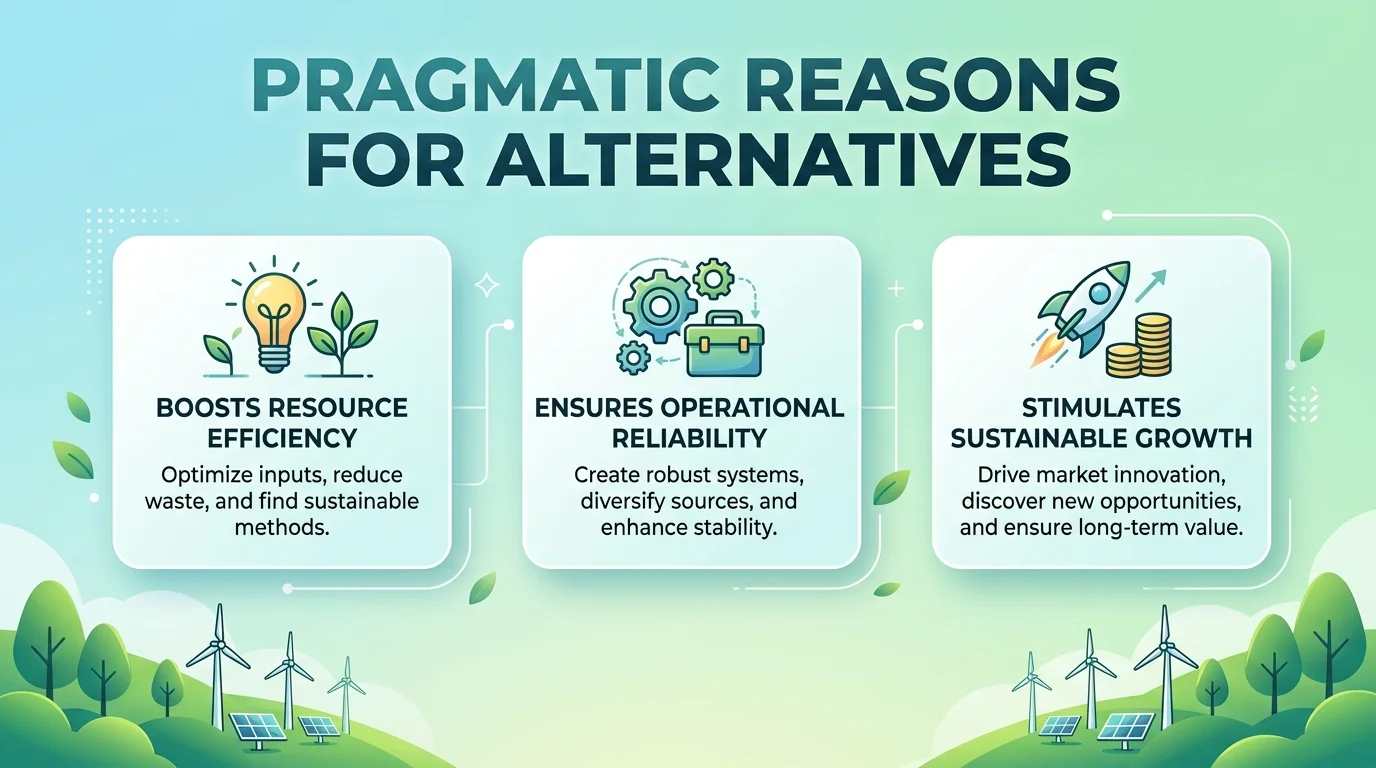
Pragmatic Reasons for Alternatives
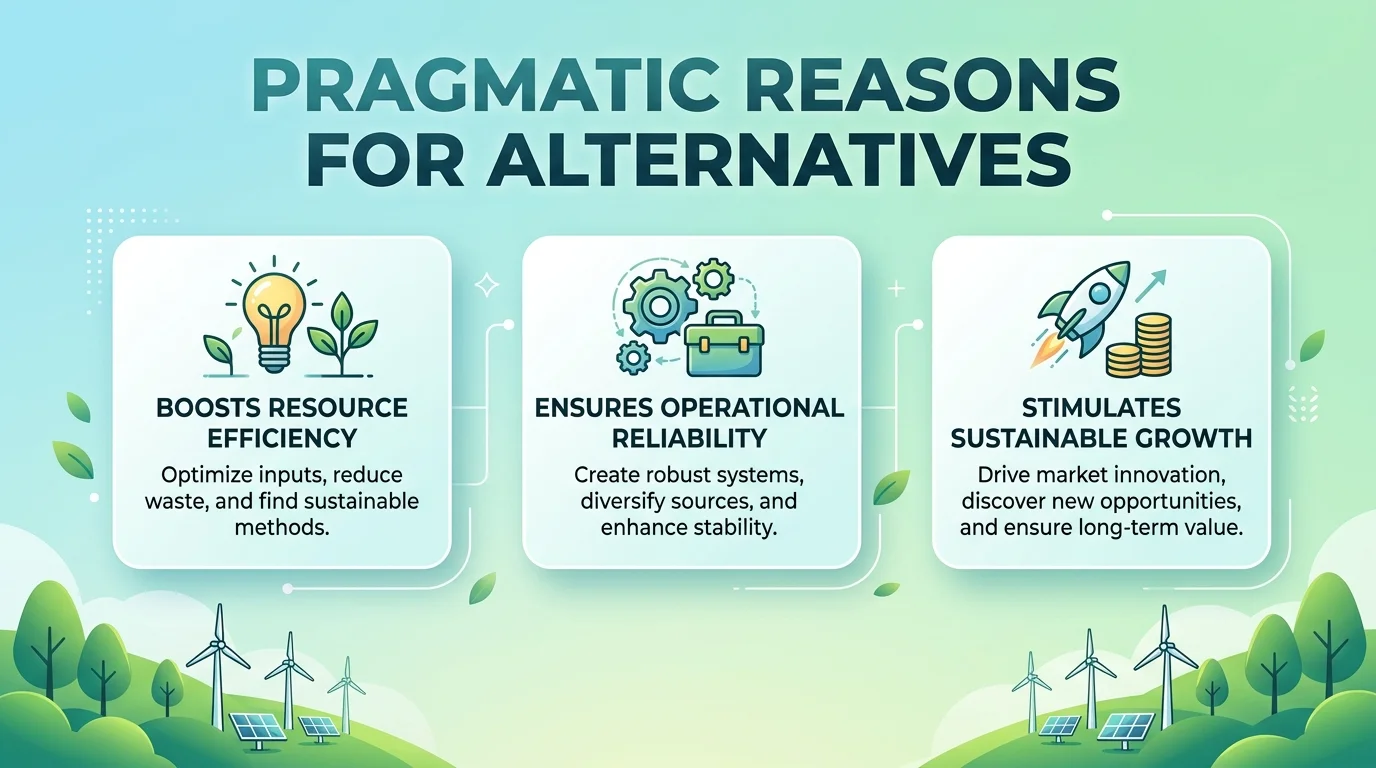
Experienced communicators often replace idioms when they need to preserve a working relationship. “There has been limited follow-through” can communicate the same basic concern without directly labeling the person.
Social Signaling
Word choice influences how a message is received. Idiomatic language can create familiarity and engagement, while precise language can signal neutrality and professionalism.
Tone & Context Guidance
Use the phrase when the audience understands informal English and the situation allows some judgment or humor. Choose a neutral alternative when the subject is sensitive, the stakes are high, or the statement may become part of an official record.
Meaning, Usage & Examples for Each Alternative
More Talk Than Action
Meaning: This phrase describes a situation where someone discusses plans, intentions, or problems extensively but produces relatively little action.
Why This Phrase Works: It captures the central contrast without the animal imagery of “all bark, no bite.” It is easier to use in professional settings.
Real-World Usage Insight: It often works when discussing projects, leadership, business plans, or repeated promises.
Best Use: Workplace discussions, feedback, reports, and everyday conversations.
Avoid When: You cannot establish a genuine pattern of limited action.
Tone: Neutral, direct, and moderately critical.
US vs UK Usage: Widely understood in both varieties of English.
Example (Meeting): “We’ve discussed the redesign several times, but so far there’s been more talk than action.”
Makes Strong Claims Without Following Through
Meaning: This describes someone who makes confident or forceful statements but does not complete the actions associated with them.
Why This Phrase Works: It explains the behavior explicitly and avoids the informality of an idiom.
Real-World Usage Insight: It is useful when precision matters more than conversational style.
Best Use: Professional communication, reports, feedback, and analysis.
Avoid When: A short, casual response would be more natural.
Tone: Professional and factual.
US vs UK Usage: Natural and clear in both US and UK English.
Example (Email): “The vendor has made several strong claims about resolving the issue but has not followed through.”
Fails to Follow Through
Meaning: This phrase means that someone does not complete an action, promise, or commitment that they previously indicated they would make.
Why This Phrase Works: It focuses directly on observable behavior rather than someone’s personality.
Real-World Usage Insight: It is particularly useful when documenting missed commitments.
Best Use: Workplace emails, project management, performance discussions, and formal communication.
Avoid When: There is no established commitment or deadline.
Tone: Neutral and professional.
US vs UK Usage: Common and natural in both varieties.
Example (Email): “We agreed on the revised timeline last week, but the team has not followed through yet.”
Does Not Act on the Threat
Meaning: This phrase specifically indicates that someone makes a threat or warning but does not take the threatened action.
Why This Phrase Works: It is more precise than a general statement about someone being inactive.
Real-World Usage Insight: It should be used only when there is a clear threat or warning involved.
Best Use: Conflict analysis, conversations, and informal reporting.
Avoid When: The person merely expressed concern rather than making a threat.
Tone: Direct and somewhat serious.
US vs UK Usage: Easily understood in both American and British English.
Example (Conversation): “He said he would report the issue, but he hasn’t acted on the threat.”
Words Are Stronger Than Actions
Meaning: This expression indicates a noticeable difference between what someone says and what they actually do.
Why This Phrase Works: It avoids assuming that the person deliberately intended to deceive anyone.
Real-World Usage Insight: It is useful when the evidence shows inconsistency, but the speaker wants to avoid harsh language.
Best Use: Professional discussions, articles, feedback, and interpersonal conversations.
Avoid When: The person has consistently demonstrated action matching their statements.
Tone: Reflective, neutral, and moderately critical.
US vs UK Usage: Commonly understood in both regions.
Example (Blog): “In negotiations, credibility can suffer when a leader’s words are stronger than their actions.”
Has Not Followed Through Yet
Meaning: This phrase states that an expected action has not happened while leaving open the possibility that it may happen later.
Why This Phrase Works: The word “yet” introduces uncertainty rather than making a permanent judgment.
Real-World Usage Insight: It is useful when circumstances are still developing.
Best Use: Workplace updates, customer communication, and sensitive conversations.
Avoid When: There is clear evidence that the person will not act.
Tone: Polite, measured, and non-accusatory.
US vs UK Usage: Natural in both American and British English.
Example (Email): “The supplier has not followed through yet, so we’re waiting for confirmation before changing the schedule.”
More Vocal Than Active
Meaning: This describes someone who speaks frequently or strongly about an issue but has taken comparatively little action.
Why This Phrase Works: It emphasizes participation through speech rather than making a direct accusation of dishonesty.
Real-World Usage Insight: The phrase works well when someone’s involvement is highly visible but practical contributions are limited.
Best Use: Workplace conversations, organizational discussions, and commentary.
Avoid When: The person has legitimate reasons for delaying action.
Tone: Mildly critical and professional.
US vs UK Usage: Understandable in both varieties of English.
Example (Meeting): “He’s been more vocal than active on the project, so we need to clarify who will handle the next steps.”
All Talk
Meaning: “All talk” describes someone who talks about what they will do but does not demonstrate corresponding action.
Why This Phrase Works: It is short, familiar, and highly conversational.
Real-World Usage Insight: It is common in everyday speech but can sound dismissive.
Best Use: Casual conversations and informal messages.
Avoid When: Speaking to someone in a formal or sensitive setting.
Tone: Casual and critical.
US vs UK Usage: Common in both US and UK English.
Example (Social Media): “He keeps promising a major change, but so far it’s all talk.”
Talks a Big Game
Meaning: This idiom describes someone who speaks confidently or boastfully about their abilities, plans, or expected performance.
Why This Phrase Works: It focuses particularly on confident claims rather than threats.
Real-World Usage Insight: It is especially common in sports, competition, business, and informal conversations.
Best Use: Casual workplace chats, sports discussions, and social situations.
Avoid When: You need formal or objective wording.
Tone: Casual, playful, and sometimes teasing.
US vs UK Usage: Common in American English and understood in British English, although some contexts may feel more American.
Example (Conversation): “He talks a big game about closing deals, but his results haven’t matched the confidence.”
Conclusion
“All Bark, No Bite” is a useful English idiom for describing someone whose words, warnings, or threats appear stronger than their actual actions. Its meaning is easy to understand, but its informal and sometimes critical tone makes context important. In casual conversations, social media, and informal writing, the phrase can make communication concise and expressive. In professional, academic, legal, or sensitive situations, alternatives such as “more talk than action,” “fails to follow through,” or “words are stronger than actions” can communicate the same general idea more precisely.
Understanding these differences helps speakers and writers choose language that matches their audience and purpose. Whether you are an ESL learner, student, professional, or content writer, knowing when to use an idiom—and when to replace it with clearer wording—can make communication more natural and effective. The best alternative depends on whether you want to sound casual, neutral, supportive, direct, or formally analytical.
FAQs
What does “All Bark, No Bite” mean?
“All Bark, No Bite” means that someone makes strong, aggressive, or threatening statements but does not take meaningful action afterward. It is an informal English idiom commonly used in conversations about arguments, disagreements, workplace behavior, negotiations, or repeated warnings. The phrase emphasizes the difference between what someone says and what they actually do.
Is “All Bark, No Bite” an idiom?
Yes, “All Bark, No Bite” is an English idiom. Its meaning is figurative rather than literal. The phrase compares loud or intimidating behavior with a lack of actual action. It is widely understood in English-speaking contexts and is generally considered informal, making it more suitable for conversations and casual writing than highly formal documents.
Is “All Bark, No Bite” professional?
“All Bark, No Bite” is understandable in professional environments, but it is relatively casual and can sound judgmental. It may work in an informal conversation between colleagues, but formal emails, reports, and business documents often benefit from alternatives such as “fails to follow through” or “has made strong statements without taking further action.”
Is “All Bark, No Bite” rude?
The phrase is not inherently rude, but it can sound dismissive or critical depending on how it is used. Saying someone is “all bark, no bite” suggests that their threats or strong statements lack meaningful action. In sensitive situations, a neutral description of their specific behavior is usually less confrontational and more appropriate.
What is another way to say “All Bark, No Bite”?
Common alternatives include “more talk than action,” “all talk,” “fails to follow through,” “words are stronger than actions,” “talks a big game,” and “big talk, little action.” The best option depends on context. For professional communication, “fails to follow through” is generally more neutral and precise than the original idiom.
Can “All Bark, No Bite” describe a person?
Yes. “All Bark, No Bite” can describe a person who frequently makes threats, warnings, or confident statements without taking corresponding action. For example, someone might say, “He keeps threatening to quit, but he’s all bark, no bite.” The expression can also describe organizations or situations involving repeated statements without follow-through.
What is the opposite of “All Bark, No Bite”?
An opposite idea would describe someone whose actions match or exceed their words. Expressions such as “walks the talk,” “follows through,” or “backs up their words with actions” can communicate this meaning. These phrases emphasize reliability, consistency, and actual behavior rather than empty threats or unfulfilled statements.
Is “All Bark, No Bite” common in American English?
Yes, “All Bark, No Bite” is familiar in American English and commonly appears in everyday conversations, informal writing, social media, entertainment, and commentary. It is also understood in British English. The main difference is usually individual preference and context rather than meaning. In both varieties, the expression remains relatively informal.
Can I use “All Bark, No Bite” in an email?
You can use it in an informal email, particularly when writing to someone you know well. However, it may be inappropriate in formal business correspondence because it can sound judgmental. A phrase such as “There has been more discussion than action” or “The issue has not been followed up” is usually safer professionally.
Why do people say “All Bark, No Bite”?
People use “All Bark, No Bite” because it provides a short, memorable way to describe a mismatch between intimidating words and actual behavior. The imagery comes from barking dogs, where loud barking does not necessarily mean an attack will follow. In modern communication, the idiom efficiently expresses skepticism about someone’s threats or warnings.

